
The video in its beginnings. Part 2
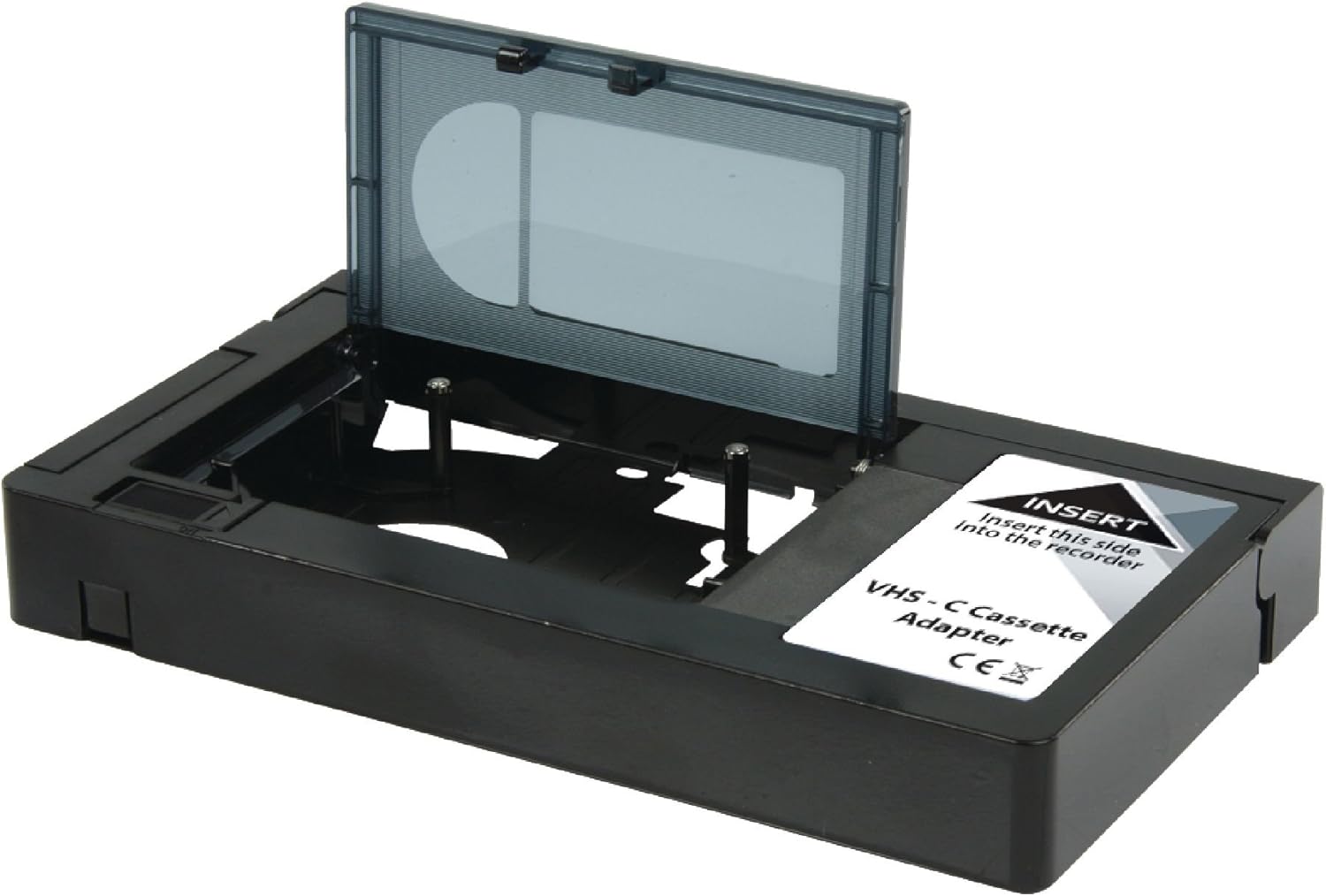
They were replaced by S-VHS and Hi-8. Video quality has improved, signal recording principles have changed, film coverage has improved, tapes are no longer rusted and turned to metal powder.
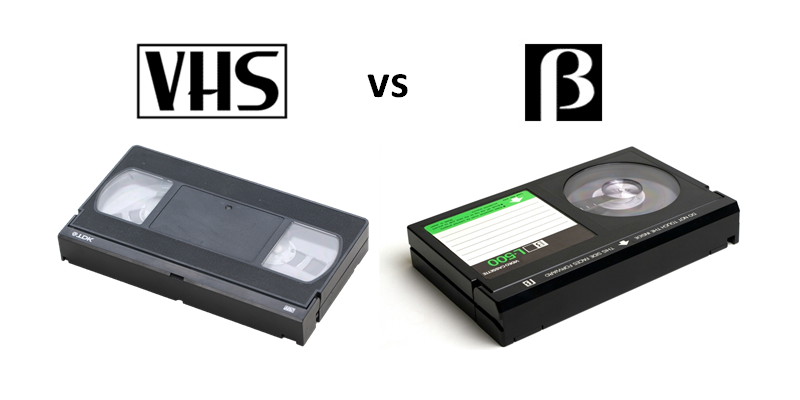
S-VHS moved away from a composite signal to a two-component signal – the luminance and chrominance channels were written separately. The resolution has been increased to 400 lines. The format began either with pride or with doubts to be called semi-professional, devices for professional publishing and dissemination based on it appeared. The cassette tapes looked like normal VHS and the tape recorders were backward compatible.
Hi-8 is the highest quality consumer analog format. The resolution is 420 lines. The cassette looks like Video-8.
This is where the story of the development of analog formats ends, but the story of video tapes does not end. It’s just that now they write a digital signal on cassettes.
But first, let’s talk about records. Which also stored analog video at the beginning.
The first attempts to record video to disk were made in the late 19th century.
The first patent for such a system, capable of storing just over a minute of video, was filed in 1907.
The eight-inch Ted in the early seventies was stored for five to ten minutes.
At 78, 12-inch (30cm) vinyl VISC kept one hour on each side, but didn’t even allow the video to stop.
The potentially successful CED was planned in ’64 and came out in ’81, immediately outdated and disastrous.
The locally famous 78 30cm Laserdisc stayed up to an hour on the side on 440 lines. Besides the states and Japan, it was not successful anywhere.
The ’83 25cm HDV stood aside for an hour, but was unsuccessful and died three years later.
Digital discs begin with CDs. The first suitable format was Video CD from 1993, which gave VHS quality, but not the cheaper MPEG1 codec, on which a little later, he limited the duration of such a recording to an hour and a quarter. Well, three years later a DVD came out and nobody could compete with it for a long time.
Now let’s get back to the cassettes, which went digital.
Before that, there were digital modules in tape recorders and tape recorders. For example, manipulations with recording a component signal require digital calculations, which means a processor (at least in the recorder system), but the signal was recorded on the analog cassettes themselves.
Now instead of brightness and chromaticity channels, digital data streams were recorded on cassettes, otherwise everything was similar.
And if for the viewer this meant just a pleasant improvement in quality, then for video production professionals the advent of digital recording technologies has made life incredibly simple.
An analog cassette cannot be overclocked especially, but a digital one can be overclocked fifty or even a hundred times, without losing the ability to read the register. This greatly simplifies editing and dramatically reduces the time from footage to ready-to-stream recording.
And finally: a digital signal can be copied and rewritten (almost) as many times as you like, no degradation occurs: a digit is a digit.
First digital format: Sony D1. Where D means Digital and 1 means the first. It appeared in the 86th.


