
SD, HD, 3D and Ultra HD – Digital TV Formats Explained

Digital television offers you several additional benefits and services. But what do the terms related to SD, HD, 3D and Ultra HD digital television mean? In this article we will try to explain their main essence, as well as the differences between them.
First, it should be explained how digital and analog TV differ, especially since both are available in Georgia.
Technically, the transmission of an analog picture is in a continuous wave form, whereas a digital television picture is a stream of encoded digital data. From a practical point of view, digitizing data allows you to send more information to your televisions. The result is much clearer images, better sound quality, and more channels. Therefore, if you use a modern digital television at home and receive the signal via satellite, digital cable and digital terrestrial transmitter, you can be sure that you get the highest quality.
The new digital television formats require more transmission capacity and satellite is indispensable here. Satellite is the most reliable and efficient means (of the existing ones) to transmit television programs to the continent, especially in mountainous regions, where there is practically no limit on the number of digital satellite television channels that can be transmitted. Consequently, by means of a satellite it is possible to cover the entire population of the world.
The satellite signal is transmitted through the “Direct-To-Home / DTH” satellite dish, the satellite signal is also transmitted to terrestrial DTH providers for further transmission. Satellite television offers the viewer a wider selection of channels and experiences compared to other forms of television transmission.
Standard definition (SD) and high definition (HD) television
When we talk about SD and HD, first of all, we are dealing with the term “resolution”. Simply put, it is the image quality that your television device can display.
The term “standard definition”, or SD TV, became relevant when high definition television came into use, before all televisions were standard (both analog and digital), and the specifications of the specified format were considered acceptable. The fidelity of standard television is a comparative basis for the analysis of all other formats, any format beyond its borders is considered high definition. The SD format was quite good for standard 24-inch televisions, but then the population began to buy LCD and plasma televisions with screens 2 to 2.5 times larger, and the difference between SD and HD resolutions became quite obvious. For example, when watching a football game in SD format, you can see the ball, the players and a green background, while in HD you can also see the grass and the faces of the fans.
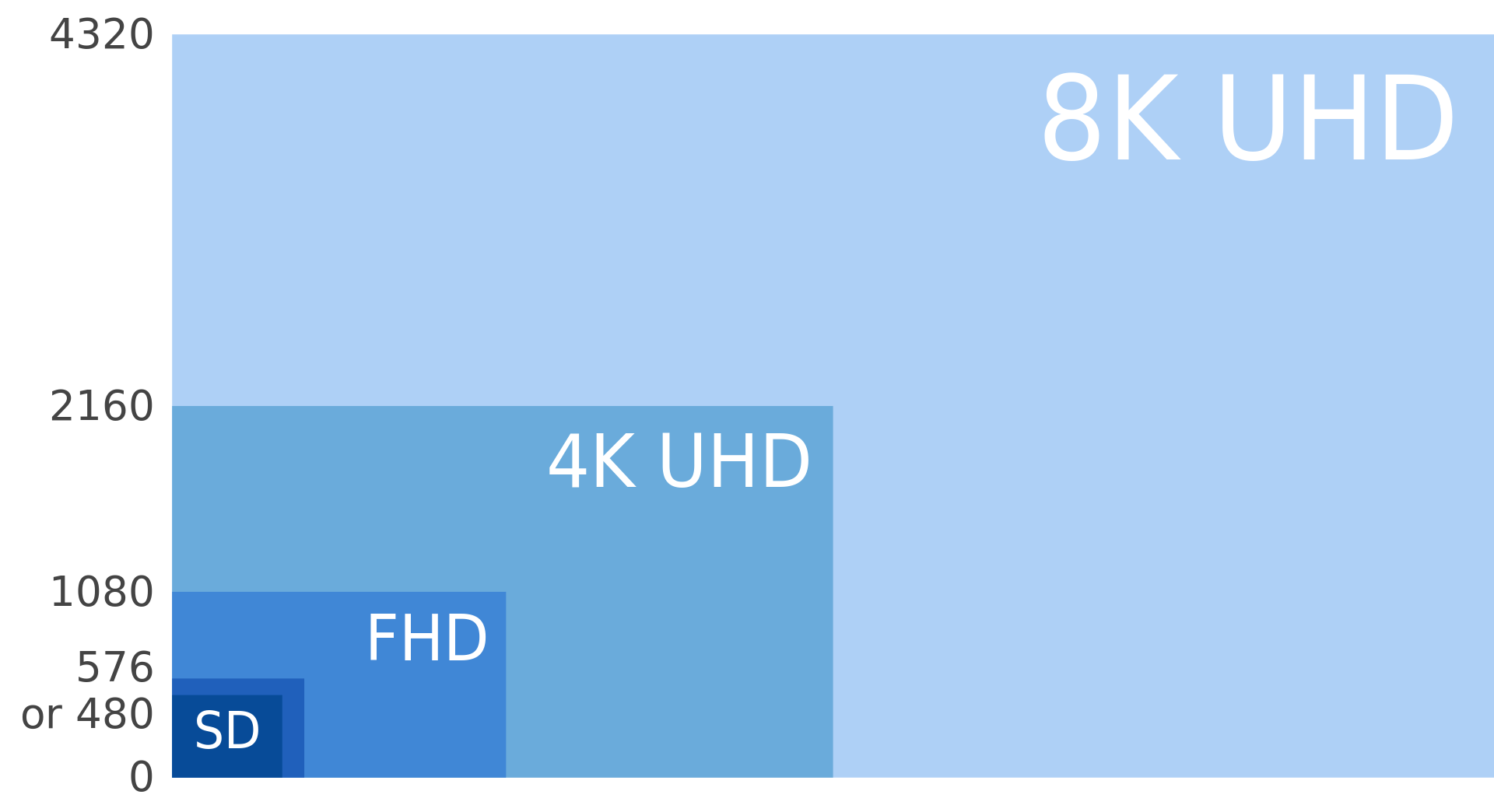
In conclusion, we can say that high definition television (HD) is a digital transmission format that allows you to receive higher quality images on your television screens. HD channels allow you to receive images with richer, more saturated colors and fine details; consequently, the display process becomes brighter, more interesting and attractive. If we look at the numbers, we can say that an HD image is usually made up of 2 million (1080×1920) pixels. This translates to about 5 times more detail than SD (720×576), making HD broadcasts more natural and engaging. The more pixels in the image, the more details you will see and consequently the display of curves and diagonal lines becomes more seamless.


